

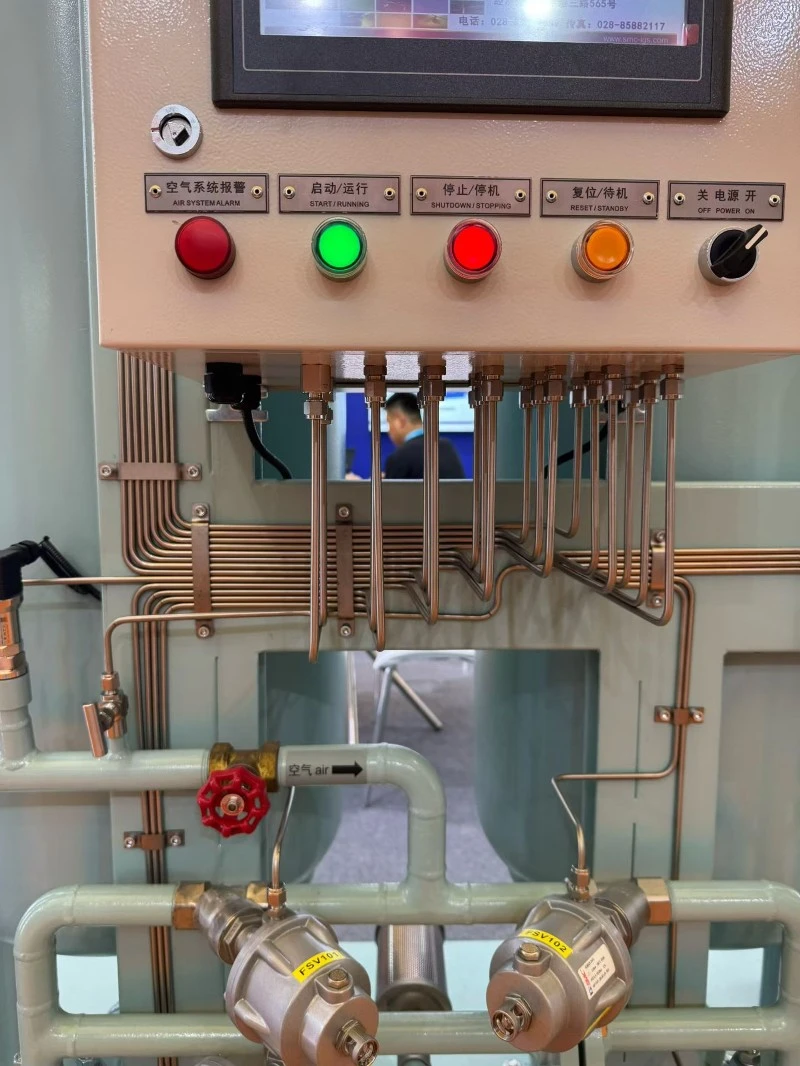
Leaks on instrument impulse lines are one of those headaches every field engineer runs into. A small leak does not just waste gas or media; it throws off readings, triggers unplanned shutdowns, and creates safety risks. That is why double ferrule fittings remain the go-to connection choice for high-pressure gas sampling, analyzer panels and process instrument tubing.
Let's start with how the seal works. A standard double ferrule set has two separate ferrules: the front ferrule creates the primary metal-to-metal seal between the fitting body and the tube OD, while the back ferrule bites into the tubing wall to lock it firmly in place. The two ferrules split the job - sealing and gripping - instead of relying on one single component. This design holds up far better under vibration, pressure cycling and temperature swings, compared to simpler single-ferrule or threaded connections. It is an all-metal seal too, so there is no rubber o-ring that can degrade with heat or corrosive gas over time.
Even the best fitting design will leak if installed wrong. We have seen this many times. The most common mistake? Not pushing the tube all the way to the shoulder inside the fitting body before tightening. If the tube sits loose, the ferrules cannot form a consistent bite. Another frequent error is over-tightening. Cranking the nut too hard deforms the tube and ruins the ferrules, and once they are deformed, you cannot reuse them. Always mark the tube at the nut first, follow the turn-count method, and do not mix ferrules and bodies from different manufacturers.
Our fittings follow the same tight tolerance and material control standard you expect for high-end instrument fluid systems. We inspect raw bar stock, run helium leak testing on finished parts, and keep consistent machining precision for 316L, Hastelloy and Monel grades.
Before commissioning any line, carry out a pressure test and leak check. A quick test at working pressure catches issues before the system goes live. Getting this connection right saves you hours of rework out in the field.


